


Natural Disasters, War, and the Suspension of Due Process
As 2022 began, it seemed like we were finally seeing the light at the end of the COVID tunnel. A combination of vaccines, immunity, and other factors appeared to reduce COVID-19’s impact to that of other similar diseases. In January, the U.S. Supreme Court blocked a federal government regulation that attempted to require employees to maintain full vaccination or get tested for the disease on a weekly basis.
That decision seemed like a crescendo. Within weeks, infection levels and death rates appeared to fall and governments around the world started dropping vaccine mandates, mask mandates, curfew restrictions, etc. in the wake of popular protests against such measures.
The tide of totalitarian exercises of power seemed to recede…
Then Canada invoked emergency powers to forcibly end an overwhelmingly peaceful and legitimate protest and destroy the lives of anyone remotely associated with the protest through the freezing of bank accounts without any due process.
A few weeks later, Russia invaded Ukraine. I knew there was a lot of posturing but I didn’t think that the invasion would actually occur. In addition to the horror of combat, the news was filled with articles about Ukrainians running out of cash due to disruptions in supplies to ATMs and unprecedented demand for cash.
Shortly thereafter, Russian ATMs ran out of cash while the ruble crashed in value. Western nations followed up with sanctions, aided by many of the large financial companies, essentially severing Russians from the global financial system and making it nearly impossible to use bank accounts, credit cards, and payment services like Apple Pay.
In recent years, we’ve also seen fragility of our infrastructure in the face of natural disasters. Disruptions of electricity and internet access have a greater impact in our connected world versus 20 or 30 years ago.
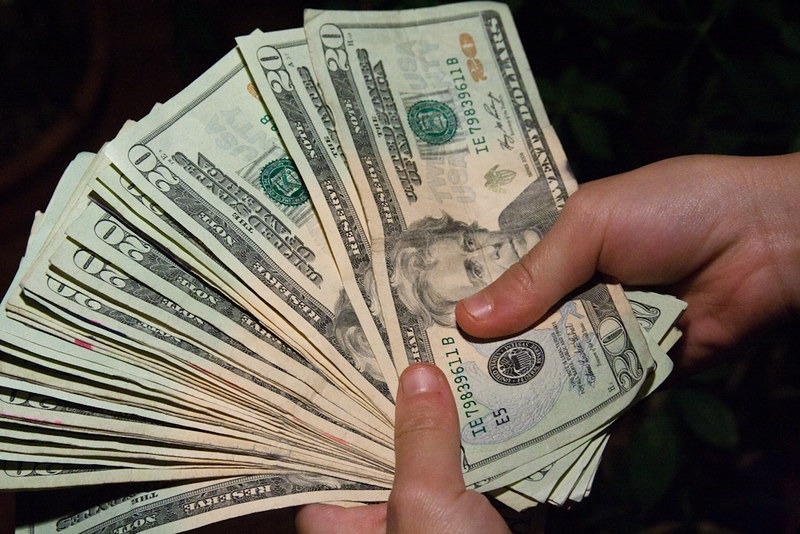
Whether due to conflict, governments turning on their own citizens, or natural disasters, recent events have shown the value of physical cash… the kind metaphorically stuffed in the mattress. Physical cash cannot get stuck in a frozen bank account; it’s not just an electronic number in the cloud where a simple change in code can take that money from you forever.
You can hold it. You can feel it. And no one can know that you have it unless you tell them.
Physical U.S. dollars are rarely rejected as a method of payment. At least at this point.
Going forward, my planning discussions with clients will include keeping some level of physical cash on hand. I have not yet determined a specific method or formula to calculate the right amount of cash… there’s no scientific way to come to a specific number.
But having some physical cash is key… enough to purchase limited supplies of food, fuel, and perhaps to put a roof over one’s head for a short time.
Of course, with physical cash comes two important risks: inflation and theft (which, hilariously, are almost the same thing).
In recent decades, low interest rates have forced a hunt for yield since regular bank savings accounts have been paying more or less no interest. Combined with increases in money supply and shocks from the Covid pandemic and now war, the value of our dollars is falling much quicker than before. Therefore, any physical cash will constantly lose value. We must balance that reality with the benefits of physical cash.
Cash can also be stolen and there’s no way to prove ownership of that stolen cash. One should consider methods to secure or hide any physical cash.
What about gold/silver & cryptocurrencies?
Yes. All of the above.
From a risk/diversification perspective, it does make sense to consider physical gold and silver alongside physical cash. The additional challenge with precious metals is that people may not readily accept them versus physical U.S. Dollars. That may change depending on the exact situation, of course.
Cryptocurrency may also be a viable alternative to physical cash with the stipulation that they be held in a cold storage wallet. I’m far from an expert on cold storage wallets but the idea is that such a device contains the owner’s private keys to their cryptocurrency. Without these keys, no transfer can happen. And the assets cannot be seized remotely or hacked remotely. Several companies offer cold storage solutions.
There are three downsides to cryptocurrencies in the context of this article. First, you can lose the device that stores your private keys (or it gets damaged/destroyed somehow). If that happens, recovering that cryptocurrency becomes difficult or impossible. The second disadvantage here is that you still need internet access to use cryptocurrencies. If there is no internet connection due to a natural disaster or the government has disabled your phone or other internet access methods, you cannot use these assets. Finally, far fewer people will accept cryptocurrencies versus cash or precious metals.
As I wind up this article, readers may ask themselves “if we are seeking ways to reduce our exposure to the traditional financial system, why have any exposure at all?” The short answer is that the concepts discussed here are associated with surviving bad times or events... not thriving and building wealth. The most reliable way to build wealth remains long-term ownership of profit-seeking companies from around the world.
Despite all that is bad in the world, we still live at the pinnacle of human history and have far more reasons to be optimistic than pessimistic about the future.
Looking for help with transforming your finances to reflect your life’s objectives? Schedule an introductory call with me today! Simply click here.